Caregiver Role in Medical Records Management
Discover the vital role of caregivers in medical records management. Learn how they enhance patient safety and improve healthcare outcomes.
Caregiver Role in Medical Records Management
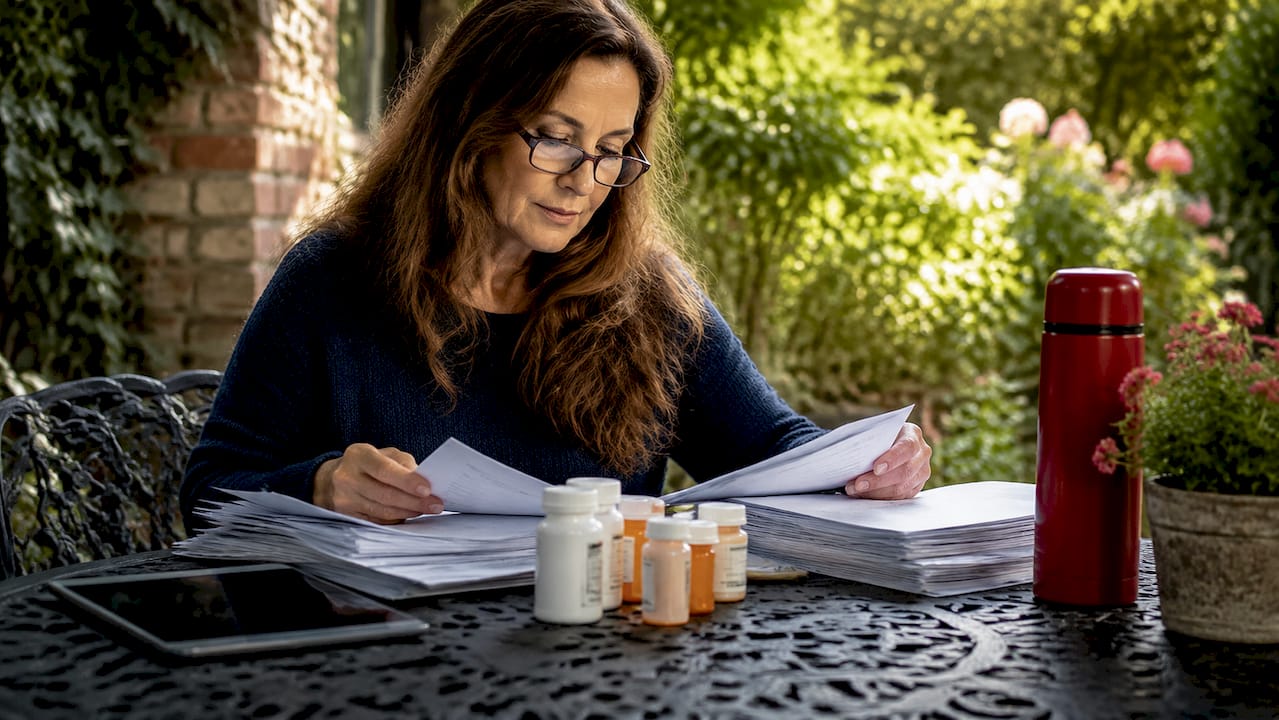
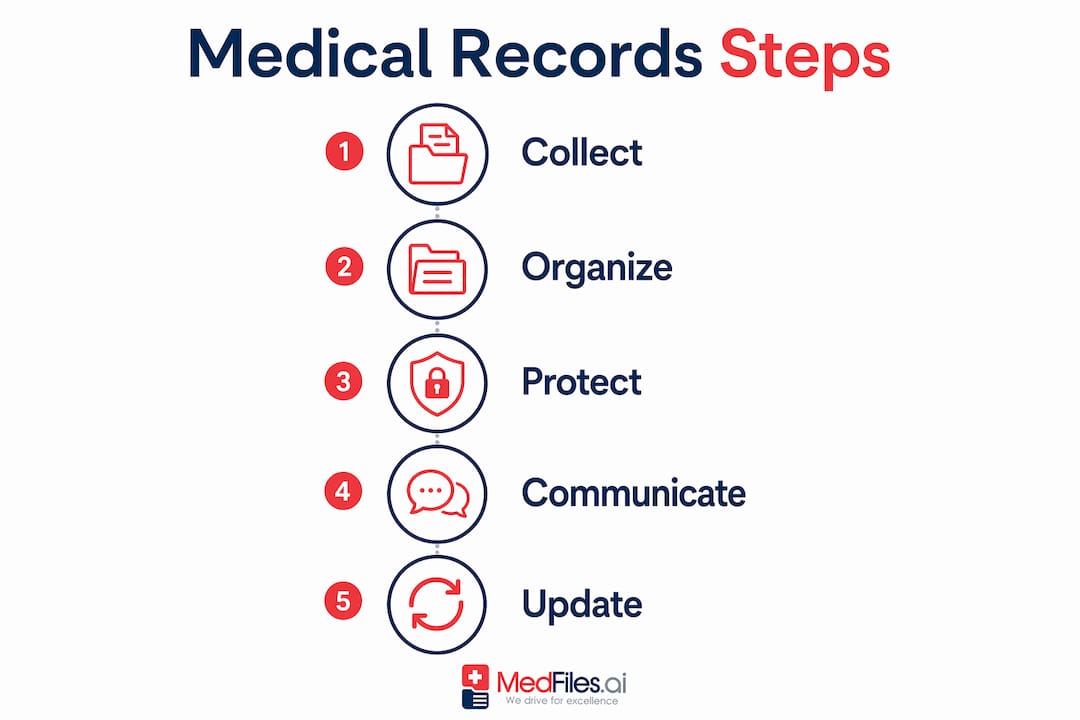
The role of caregivers in medical records management is defined as the active responsibility to collect, organize, protect, and communicate a patient’s health information across all care settings. This work directly affects patient safety, care continuity, and how well a healthcare team can respond in an emergency. Caregivers who treat documentation as a core duty, not an afterthought, give their loved ones a measurable advantage. The standard industry term for this function is informal care coordination, and it covers everything from medication logs to HIPAA personal representative status to electronic health records (EHR) access.
What medical records should caregivers document?
Caregiver documentation includes medical observations, medication logs, incident reports, and communications with providers, and it serves continuity, legal, and evidentiary functions. That last point matters more than most caregivers realize. If a dispute arises about a missed dose or a fall, your written record is the only objective evidence available.

The records you maintain fall into two categories: formal and informal.
Formal records include:
- Advance directives, living wills, and do-not-resuscitate orders
- Power of attorney and healthcare proxy documents
- Hospital discharge summaries and specialist referral letters
- Prescription records and pharmacy printouts
- Lab results, imaging reports, and surgical notes
Informal records include:
- Daily observation notes (mood, appetite, mobility, pain level)
- Medication administration logs with times and doses
- Incident reports for falls, behavioral changes, or adverse reactions
- Notes from phone calls and in-person conversations with providers
The distinction matters because formal records carry legal weight, while informal records carry clinical weight. A doctor reviewing your loved one after a hospitalization needs both. Knowing the types of medical records you are responsible for is the first step toward managing them well.
Pro Tip: Date and time-stamp every informal note you write. A log entry that reads “Tuesday, 2:15 PM, patient refused lunch and reported chest tightness” is far more useful to a physician than “patient seemed off this week.”
Home care agencies are generally required to retain clinical records for at least 5 years, and compensated family caregivers must follow payer-based documentation rules that mirror professional standards. Even if you are an unpaid family member, adopting the same discipline protects everyone involved.
How do caregivers legally access patient health information?
HIPAA personal representative status is the legal mechanism that gives caregivers the right to access a patient’s protected health information. Legal caregiver status stems from power of attorney, guardianship, or similar legal authority. Without one of these documents, a provider can legally refuse to share records, even with a close family member.
Here is how to establish and protect your legal access:
- Obtain the right legal document. A durable power of attorney for healthcare or a court-appointed guardianship order gives you HIPAA personal representative status. A general power of attorney may not be sufficient for medical decisions.
- File a signed authorization where needed. If your loved one is a competent adult, ask them to sign a HIPAA authorization form naming you as an authorized recipient. Most providers have their own form.
- Keep copies in multiple locations. Store originals in a secure place and keep certified copies with you at appointments. Digital copies stored on a HIPAA-ready platform give you instant access when you need them most.
- Ask about the provider’s privacy policy. Caregiver comfort with documentation depends on trust that their information is protected. Asking directly about data sharing policies is not intrusive. It is responsible.
- Protect paper records at home. Use a locked file cabinet for physical documents. Shred anything you no longer need rather than discarding it in the trash.
Pro Tip: Request a copy of every record at every appointment. Providers are legally required to give you access, but they will not always volunteer it. Build the habit of asking before you leave the office.
Understanding your privacy rights and protections as a caregiver removes the guesswork and gives you confidence when interacting with any part of the healthcare system.
How do caregivers coordinate care through medical records?
Caregivers act as the connective tissue in a fragmented healthcare system. During care transitions, caregivers hand-carry summaries, repeat medical histories, and clarify medication changes to maintain continuity across settings. This is not a workaround. For millions of patients, it is the only reliable system in place.
The coordination role shows up most clearly in four situations:
- Hospital discharge. Discharge paperwork is often incomplete or written for clinicians, not families. Your job is to verify that the discharge summary matches what actually happened, confirm follow-up appointments are scheduled, and reconcile the medication list against what your loved one was taking before admission.
- Specialist visits. Primary care providers and specialists frequently operate in separate record systems. You may be the only person in the room who knows the full picture. Bring a one-page summary of current medications, recent labs, and active diagnoses to every appointment.
- Care plan meetings. Under CMS rules, caregivers and family members are integral to care plan meetings in nursing home settings. Attend these meetings prepared with a written timeline of recent changes. Your observations carry clinical weight.
- Emergency situations. When your loved one cannot speak for themselves, your records speak for them. A clear, current medication list and a copy of the advance directive can prevent dangerous treatment errors in an emergency department.
Health systems that record caregiver identity in the EHR improve communication and reduce assumptions about who is responsible for what. That means your role is not just informal. It is increasingly recognized as a formal part of the care team. Knowing how and why to share records with providers makes every handoff safer and faster.
What tools and methods help caregivers manage records?
The right tools reduce the time you spend managing records and increase the accuracy of what you track. The table below compares common approaches caregivers use.
| Method | Best For | Key Limitation |
|---|---|---|
| Paper binder with dividers | Low-tech households; backup copies | Easily lost, damaged, or incomplete |
| Spreadsheet (Excel, Google Sheets) | Medication logs; appointment tracking | No document storage; not shareable with providers |
| General cloud storage (Google Drive, Dropbox) | Storing scanned documents | Not HIPAA-ready; no medical organization |
| Digital health platform (e.g., Medfiles) | Full record management; secure sharing | Requires internet access and initial setup time |
A dedicated digital health platform solves the problems that binders and spreadsheets cannot. Medfiles, for example, offers multi-profile management so you can track records for multiple family members in one place, with end-to-end encryption and HIPAA-ready infrastructure protecting every document.
Beyond the platform itself, build these habits into your routine:
- Create a provider directory listing every doctor, specialist, pharmacy, and facility your loved one uses, with contact numbers and the specific role each plays.
- Organize records by type (labs, imaging, medications, legal documents) and then by date within each category.
- Use long-term record storage practices that account for the 5-year minimum retention standard common in home care settings.
Care plans are not static documents. Caregivers who document clinical changes before care conferences help align formal plans with real-world needs. Treat your records as a living system that updates whenever your loved one’s condition shifts.
Key takeaways
Caregivers who maintain accurate, organized, and legally protected medical records directly improve care continuity, reduce treatment errors, and strengthen their ability to advocate for their loved ones at every point in the healthcare system.
| Point | Details |
|---|---|
| Document consistently | Keep dated logs of observations, medications, and provider communications after every interaction. |
| Establish legal access | Obtain power of attorney or a signed HIPAA authorization before you need records in a crisis. |
| Coordinate at transitions | Bring a one-page summary to every discharge, specialist visit, and care plan meeting. |
| Use the right tools | A HIPAA-ready digital platform outperforms binders and general cloud storage for security and sharing. |
| Treat records as living documents | Update care plans and logs whenever your loved one’s condition changes, not just at scheduled reviews. |
What i have learned from watching caregivers navigate this
The caregivers who struggle most with documentation are not the ones who lack dedication. They are the ones who wait until a crisis to start organizing. By the time a loved one is admitted to a hospital, the medication list is three months out of date, the advance directive is in a drawer no one can find, and the discharge planner is asking questions no one can answer confidently.
The caregivers who do this well share one habit: they treat their records like a professional would. They date every note. They ask for copies at every appointment. They keep a current one-page summary ready to hand to any provider at any time.
One thing the research confirms but rarely gets said plainly: inconsistent interoperability across health IT systems means caregivers are often the last line of defense against medication errors during provider handoffs. That is not a gap you can fix. But you can compensate for it by being the most informed person in the room.
My honest advice is to start with the legal documents first. Power of attorney and healthcare proxy paperwork unlocks everything else. Without legal access, your documentation skills do not matter because no one is required to listen to you. Get the authority, then build the system around it.
— Team
How Medfiles helps caregivers stay organized and secure
Managing records across multiple providers, specialists, and care settings is genuinely hard. Medfiles is built for exactly this situation.
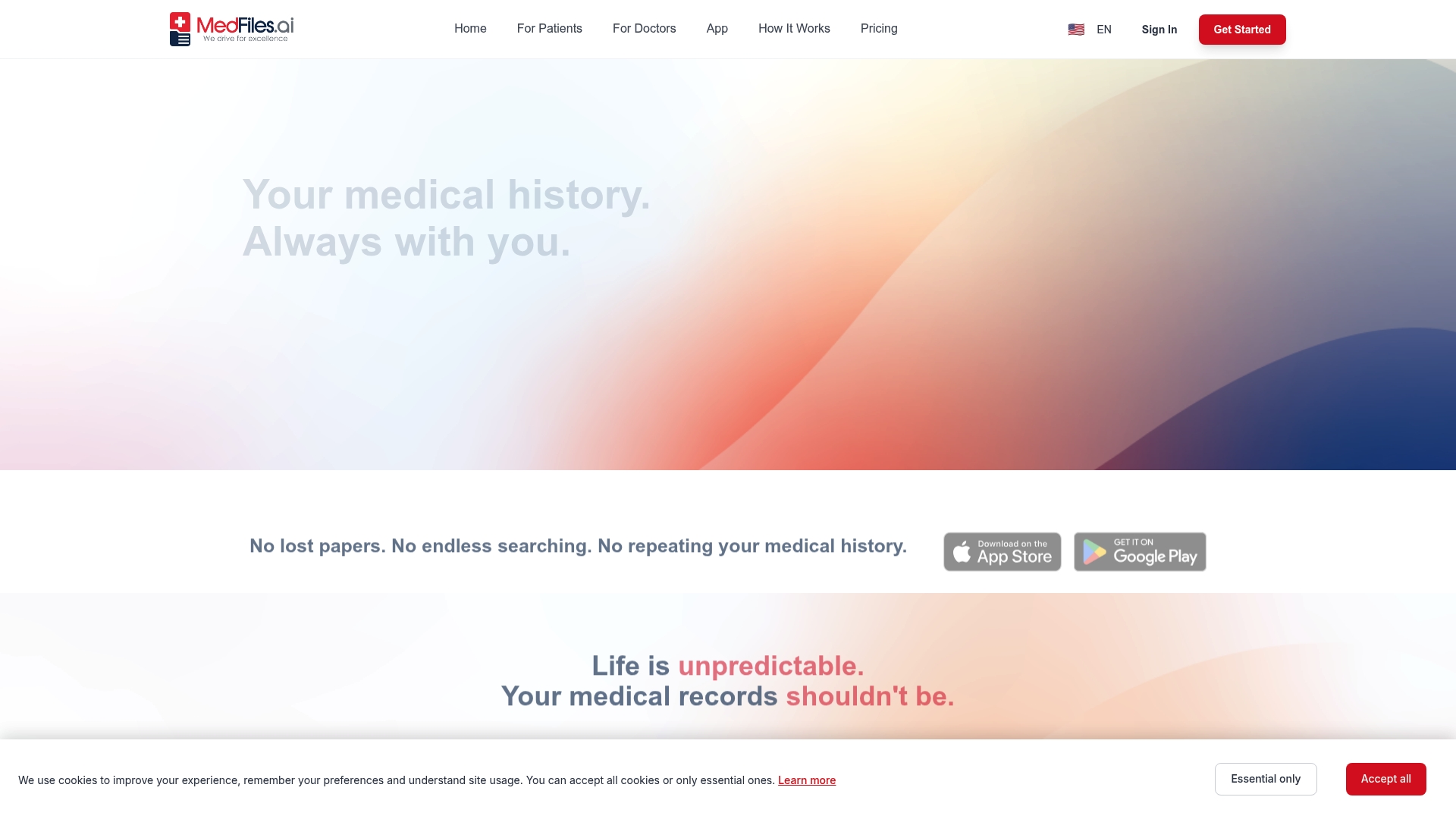
With Medfiles, you can store test results, prescriptions, imaging reports, and legal documents in one encrypted, HIPAA-ready platform. The family records feature lets you manage profiles for every person in your care, and the secure sharing tool lets you send records directly to any provider in seconds. No faxing. No paper. No repeating the same history at every new appointment. Your loved one’s complete medical history, organized and accessible whenever you need it.
FAQ
What is the role of caregivers in medical records management?
Caregivers are responsible for collecting, organizing, protecting, and communicating a patient’s health information across all care settings. This includes maintaining medication logs, securing legal documents, and coordinating records during care transitions.
Do caregivers have the legal right to access medical records?
Caregivers with power of attorney, guardianship, or a signed HIPAA authorization have the legal right to access a patient’s protected health information. Without one of these documents, providers may legally decline to share records.
What records should a caregiver keep at home?
Caregivers should maintain advance directives, medication logs, discharge summaries, lab results, and dated observation notes. Organizing records by type and date makes them faster to locate during appointments or emergencies.
How do caregivers help during care transitions?
Caregivers hand-carry medication lists and summaries between providers, clarify changes during hospital discharge, and attend care plan meetings to ensure records reflect the patient’s current condition. This role is especially critical when provider systems do not share data automatically.
How long should caregivers keep medical records?
Home care agencies are required to retain clinical records for at least 5 years, and caregivers receiving government compensation follow similar payer-based rules. Keeping records beyond the minimum is always the safer choice for ongoing care management.