Top 4 Mychart.org Alternatives for Personal Health Records 2026
Explore 4 mychart.org alternatives to determine which personal health record option best fits your needs for secure medical data management.
Top 4 Mychart.org Alternatives for Personal Health Records 2026
Managing all your personal medical records in one place is complicated when clinics use separate systems and send information in incompatible formats. Many existing portals restrict access to a single provider’s data or limit secure sharing and multi-profile management for families. This comparison details price, privacy features, mobile access, and family support across top alternatives so you can select a personal health records manager that matches your specific needs without switching apps again next year.
Table of Contents
MedFiles
At a Glance
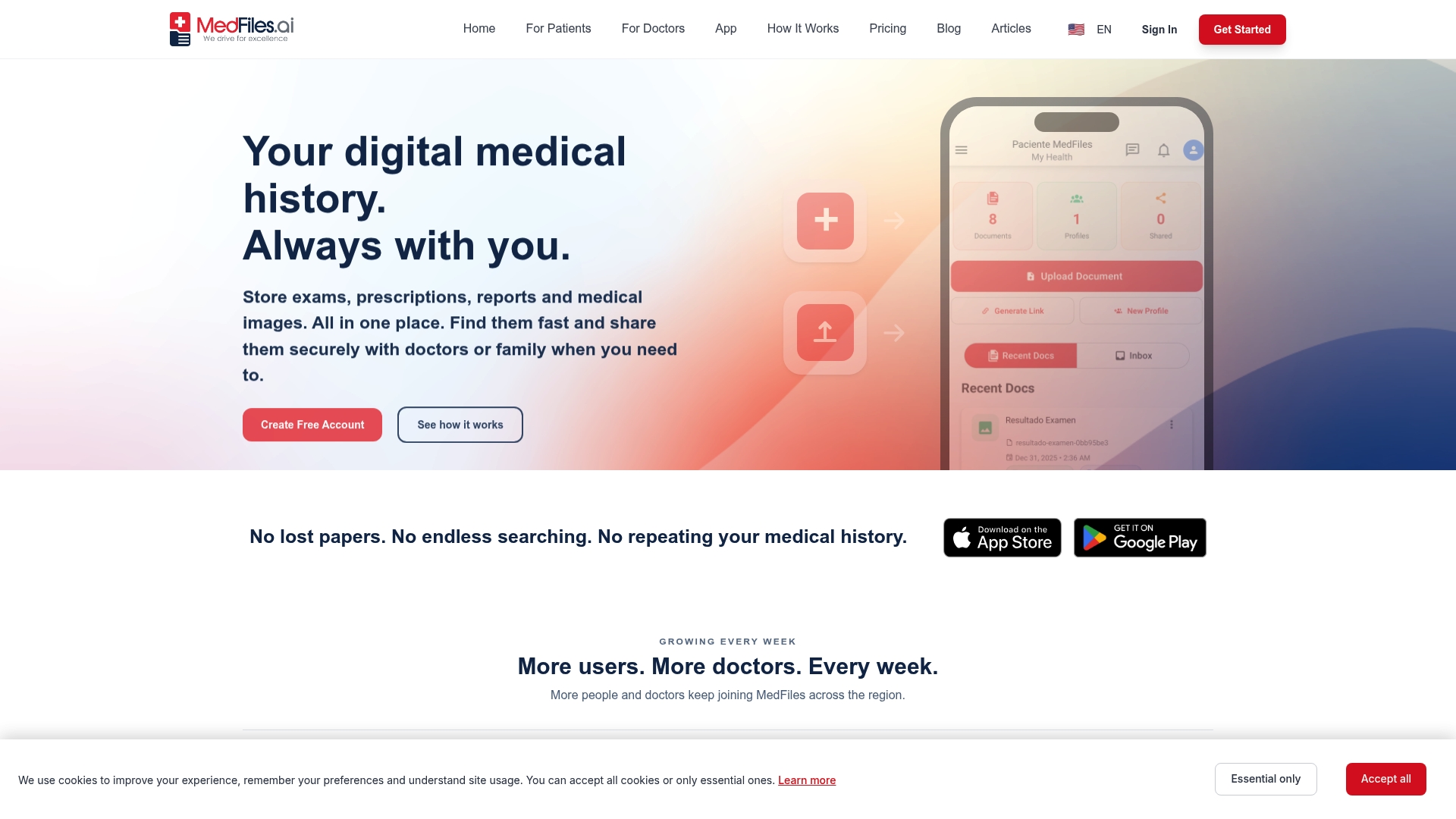
Paid plans start at $1.99 per month for individuals while a free tier is available for basic use. The vendor describes its infrastructure as HIPAA-ready with end to end encryption to protect uploads and sharing across accounts.
Core Features
- Secure cloud storage for medical records with long term encrypted infrastructure that keeps exam files, prescriptions, images, and reports in one place.
- Automatic organization and classification that sorts documents by type and date so you spend less time filing.
- Secure sharing tools let you send selected records to providers or family members without attaching files to email.
- AI-powered analysis to extract key details from documents and a MedFiles Inbox that captures emailed records automatically into profiles.
- Multi profile management that supports family members and pets inside one account.
Key Differentiator
MedFiles combines on-file AI analysis with explicit family profile management so records stay grouped by person across years. That pairing reduces duplicate uploads and makes incremental document organization practical for parents and caregivers who manage more than one medical history.
Pros
-
The vendor’s HIPAA-ready claim and end to end encryption offer a clear privacy posture for users who prioritize confidentiality when storing sensitive reports.
-
Automatic classification removes the manual folder work. In practice the uploader will see results grouped by type within minutes which saves time before appointments.
-
Sharing controls focus on targeted access. You can share a single report with a doctor or open a family profile temporarily to a caregiver without exposing unrelated records.
-
AI extraction surfaces dates, test names, and medication details so you find the exact page you need instead of scanning PDFs for ten minutes.
-
Multi profile support makes it feasible to keep a child, a partner, and a pet on the same plan while separating each person’s chronology and documents.
Cons
- Limited free storage forces active users onto paid tiers for long term archival and extended AI or chat usage which may increase costs for families with many records.
Who It’s For
Individuals and families who want private, organized access to medical history before appointments or during travel. Good for caregivers who manage elderly parents or parents who track multiple children and pets and need fast record retrieval in emergencies.
Unique Value Proposition
The MedFiles Inbox automatically pulls emailed medical documents into the correct profile which removes the step of manual import. That workflow turnaround matters when you receive lab reports by email and need the information available for a same day appointment.
Real World Use Case
A user uploads past imaging, prescriptions, and discharge summaries then tags current medications. Before a specialist visit they share only the relevant imaging and recent labs. In an emergency the same shared link gives paramedics access to allergies and critical notes.
Pricing
A free tier covers basic uploads and one profile. Paid plans start at $1.99 per month for individuals with higher tiers for family and shared profiles that add storage and expanded AI analysis limits.
Website: https://medfiles.ai
DrOwl
At a Glance
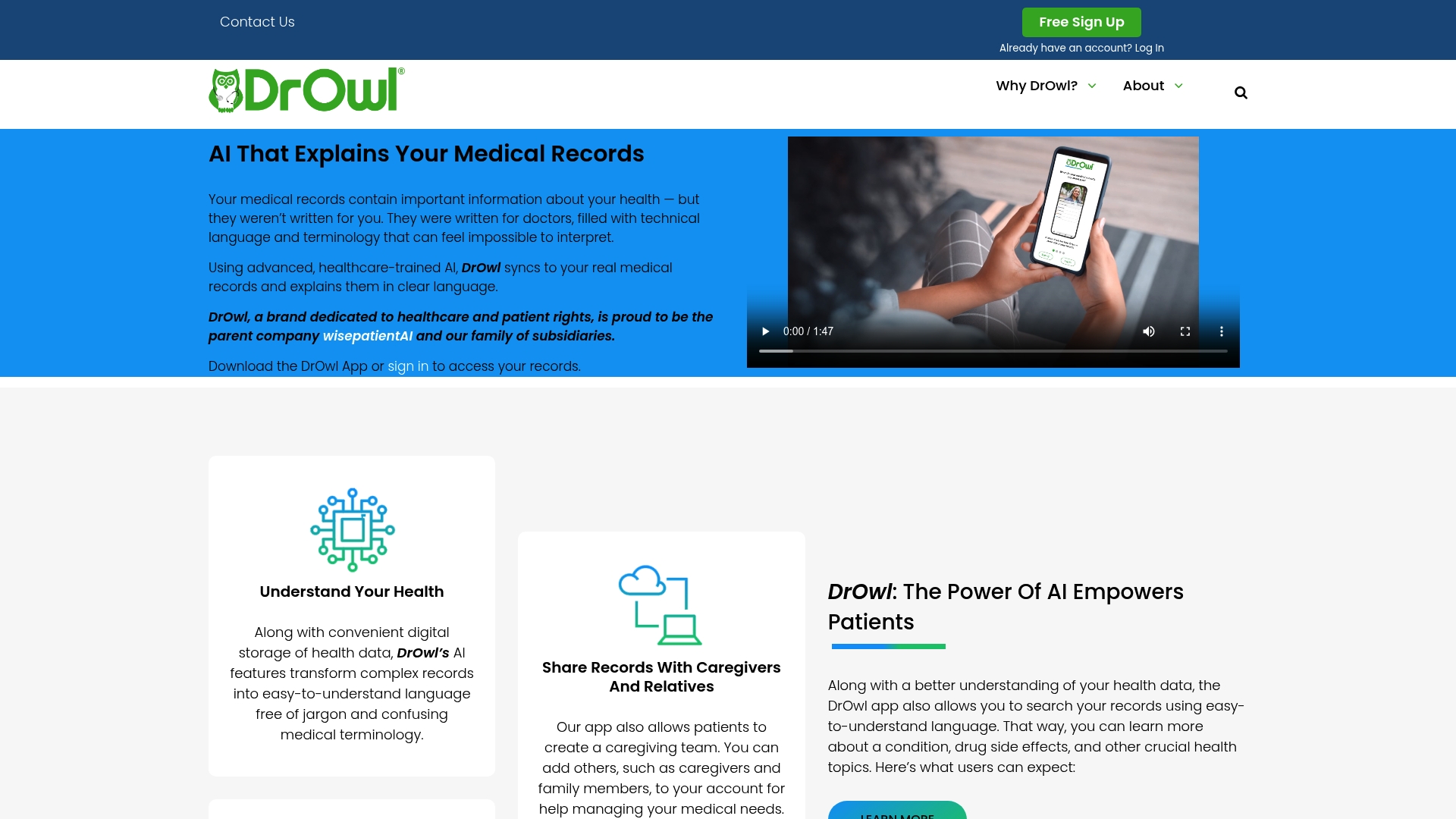
DrOwl uses healthcare-trained AI to turn dense medical notes and lab reports into plain English you can act on. The app runs on iOS and Android and focuses on patient-facing explanations, quick sharing with caregivers, and spotting possible record errors.
Core Features
AI that explains clinical text in plain language makes complex diagnoses and test results readable at a glance. Secure digital storage keeps documents accessible on your phone. A search function helps you find past notes and labs quickly. The vendor advertises compatibility with most electronic health record systems to aid downloads, and the platform flags potential errors for review.
Key Differentiator
The product leans entirely on healthcare-trained models to interpret actual records rather than pulling answers from the open web. That narrow focus changes how the app prioritizes context, clinical phrasing, and document structure so explanations map back to the record you uploaded, not a general medical article.
Pros
-
Personalized explanations. DrOwl converts jargon into step-by-step descriptions that make follow-ups easier for patients and family caregivers.
-
Built-in sharing. You can send records and the app’s plain-language summaries to a doctor or family member, reducing miscommunication during visits.
-
Error detection. The app highlights inconsistencies and potential documentation mistakes, which helps you question surprising diagnoses or medication lists.
-
Mobile-first access. iOS and Android apps put records and summaries in your pocket when you need them most.
Cons
-
Pricing clarity is limited. The product data mentions free sign-up, but details about storage limits or paid tiers are not provided.
-
Privacy trade-offs. The vendor emphasizes security, yet any centralized storage of health data raises legitimate privacy questions for people who prefer local-only solutions.
-
EHR dependency. Because the app relies on record imports, gaps appear when hospitals use nonstandard formats or block downloads.
When It May Not Fit
If your provider does not allow easy record exports or uses niche EHR formats, DrOwl will struggle to access complete charts. Also, people who refuse cloud storage for health data will find the mobile app model uncomfortable.
Who It’s For
Patients who want straightforward explanations of their own records and family caregivers who coordinate care will get the most value. It also fits people who want a second set of eyes on documentation to reduce mistakes before appointments.
Real World Use Case
A person downloads the app after a specialist visit, uploads the clinic notes and lab results, and gets a clear, two-paragraph summary that explains the diagnosis and next steps. They share that summary with their primary care physician ahead of the follow-up appointment to speed reconciliation of medications.
Website: https://drowl.com
MyChart from Epic
At a Glance
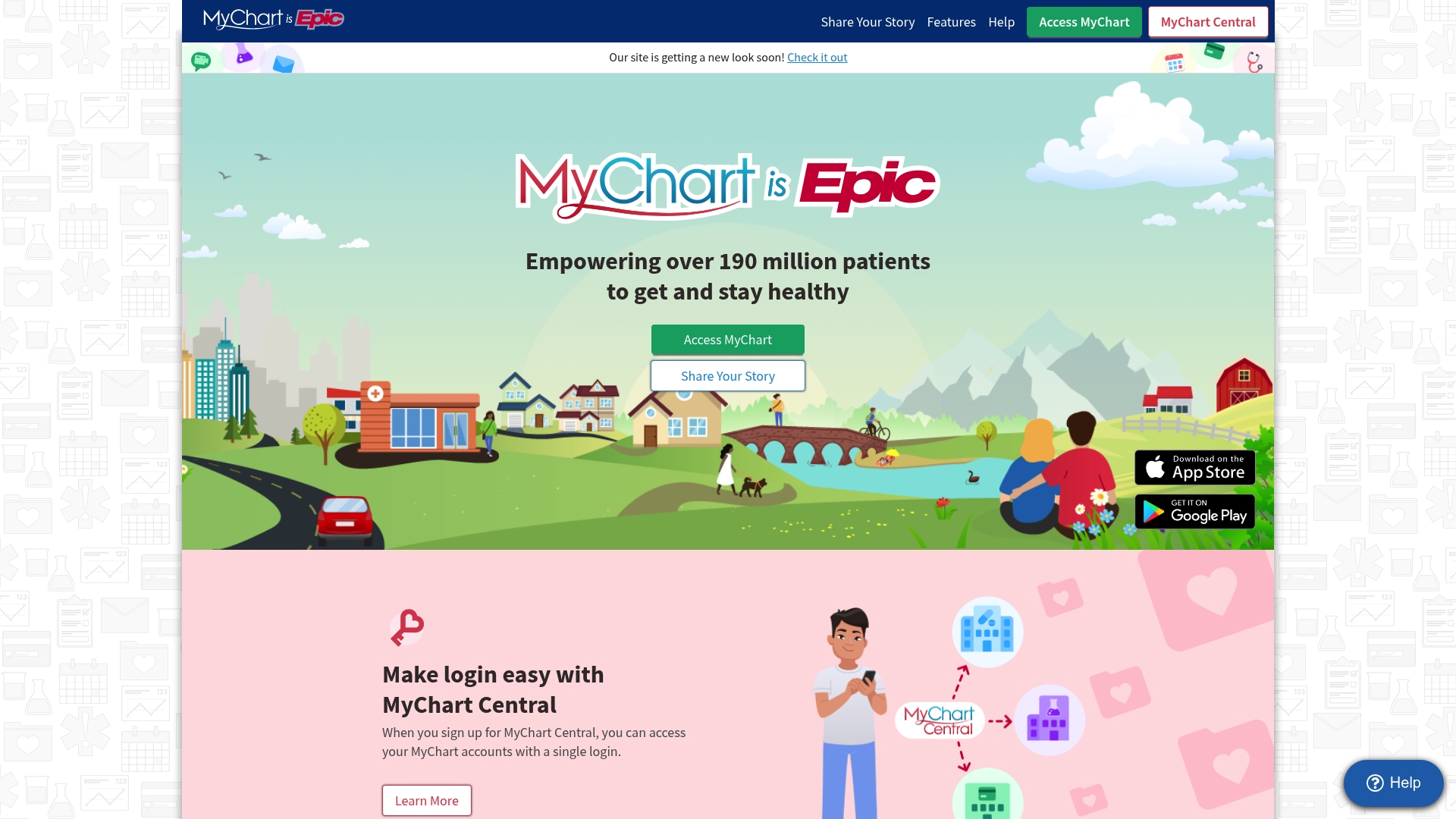
Records from different hospitals and clinics that run Epic can appear in a single patient view, which simplifies cross‑organization access to test results and visit summaries. The portal works via web and mobile apps and supports messaging, scheduling, and device data connections.
Core Features
MyChart centralizes common patient tasks and health data across participating providers.
- Access to comprehensive health records including visit notes, immunizations, and lab results.
- Secure messaging with healthcare providers for questions and follow ups.
- Appointment scheduling and management with reminders and calendar integration.
- Proxy access and family management so caregivers can manage pediatric or elder care.
- Medication refill requests, device integrations, and health questionnaires.
Key Differentiator
Tight integration with Epic electronic records is the primary distinction. That connection gives patients a unified view when their providers use Epic systems, reducing the need to request record transfers or carry paper summaries between clinics.
Pros
-
Provides broad record visibility across Epic sites which reduces duplicate paperwork when you see a new specialist.
-
Secure messaging cuts down phone hold time and creates a documented thread for clinical questions and follow up instructions.
-
Proxy account management helps caregivers handle appointments, refills, and results without separate logins or repeated consent forms.
-
Mobile app options include biometric login and support for personal device data like Apple Health and Fitbit which keeps vitals and activity linked to your record.
-
Built in tools for payments, insurance information, and end of life documents centralize administrative tasks with clinical data.
Cons
-
Feature availability varies because MyChart depends on each healthcare organization’s Epic configuration and local policy rather than a single global feature set.
-
Online record sharing raises privacy concerns for some users even though the system includes standard security controls and access logs.
-
The portal focuses on electronic records and will not show paper files unless they have been digitized and uploaded by a provider.
When It May Not Fit
If your primary providers do not run Epic, you will not get the cross‑organization visibility that is MyChart’s main strength. Users with limited internet access or very old mobile devices will face usability barriers. Teams that need consolidated records from many non‑Epic systems should look elsewhere.
Notable Integrations
- Epic electronic health record systems.
- Personal health device integrations such as Fitbit and Apple Health.
Who It’s For
Patients and family caregivers who receive care from hospitals and clinics using Epic and who want direct access to test results, messaging, appointment tools, and consolidated records under one login.
Real World Use Case
A patient reviews lab results on their phone, messages the ordering clinician with a question, schedules a follow up appointment, and sends a record summary to a consulting specialist — all without paper or multiple portals.
Pricing
Not applicable. MyChart is informational and access depends on enrollment through a participating healthcare organization rather than a direct subscription from patients.
Website: https://mychart.com
MyChart
At a Glance
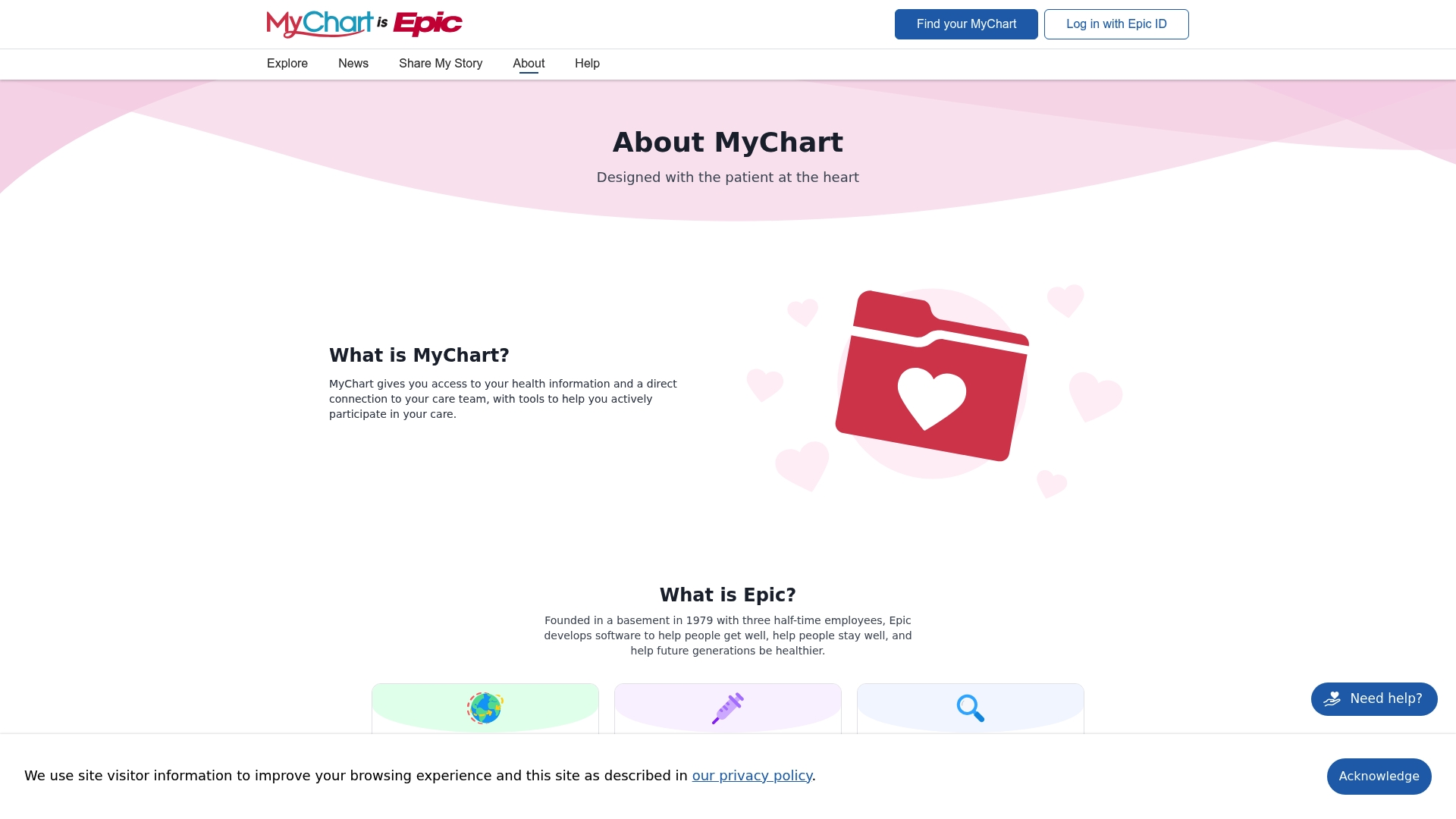
Epic reports over 305 million patient charts worldwide, and MyChart sits as the patient-facing portal tied to that footprint. The portal offers web and mobile access for patients to view records and message care teams through a single vendor connection.
Core Features
- Patient portal access to health information including test results and vaccination records.
- Secure messaging with healthcare providers for direct patient to care team communication.
- Appointment scheduling and reminders plus health education resources and support tools.
Key Differentiator
MyChart’s strength is its tight integration with Epic’s clinical systems which many hospitals use. That integration streamlines back end data flow for Epic connected clinics. If you need a vendor tied portal for an Epic provider the integration matters. If you want a vendor neutral archive the fit is different.
Pros
-
Centralized access keeps clinical notes, lab results, and vaccination records in one place for patients who are members of Epic connected systems.
-
The mobile app mirrors the web experience which makes checking results and appointment times practical when you are on the go.
-
Secure messaging reduces the need for separate patient portals when your clinic uses Epic which the figure above helps explain.
-
Scheduling and automated reminders reduce missed visits and cut time spent calling the clinic.
-
Health education resources live inside the same portal so patients do not have to chase separate links for basic care guidance.
Cons
-
The preview URL provides no independent user reviews so third party feedback on everyday usability is scarce.
-
Public documentation in this data set offers limited detail about customization options or how a health system can tailor the portal experience.
-
Integrations beyond Epic core features are not listed which makes it unclear how well MyChart links to non Epic tools or patient owned repositories.
Who It’s For
Patients who receive care from Epic connected hospitals and clinics and who want direct access to their records within that health system. Not the best pick if you need a single neutral vault that aggregates records across many unrelated providers and vendors.
Real World Use Case
A patient logs into MyChart after a clinic visit to read lab results, message the nurse about a question, and schedule a follow up appointment. Everything appears under the same membership tied to that hospital which keeps communication bundled.
Website: https://preview.mychart.org/l/en-us/about
Comparing MedFiles, DrOwl, and MyChart
When considering personal medical records management, it’s crucial to understand the distinctions among the available solutions. We analyzed MedFiles, DrOwl, and MyChart to reveal their unique characteristics, benefits, and potential limitations.
Feature Highlights: Security and Accessibility
MedFiles offers focus on privacy with its HIPAA-ready infrastructure and end-to-end encryption, ensuring that sensitive information remains confidential. Alongside, its multi-profile support caters excellently to families handling medical records for multiple members. Meanwhile, DrOwl emphasizes patient education by providing healthcare-trained AI that explains dense medical records in accessible language, coupled with features like error detection for accurate documentation. On the other hand, MyChart connects within the extensive Epic ecosystem, providing aggregated access to medical records across affiliated healthcare providers, along with a range of operational tools including appointment scheduling.
Price and Accessibility Considerations
MedFiles opens paths to medical record organization with a cost-effective price point of only $1.99 per month for a basic subscription while also offering a limited free tier—a significant advantage for individual users and small families. In contrast, DrOwl provides a free sign-up model, yet lacks clearly outlined paid features or tier details within the available information. MyChart benefits large healthcare institutions with its integration capabilities, but individual access depends on providers, which limits universal applicability.
Best Fit for Different Needs
- MedFiles for families or individuals needing a private, cost-efficient platform with multi-profile management capabilities.
- DrOwl when clear, plain-language explanations of medical texts and identification of potential healthcare documentation errors are a priority.
- MyChart for those whose healthcare providers are part of the Epic network, offering access to consolidated provider records and communication tools.
Our Recommendation: MedFiles
Unquestionably, MedFiles’ dual emphasis on privacy, cost-effectiveness, and organization tailored to family needs resonate strongly with the requirements of the general audience for medical records management. However, for those needing highly specific functionalities—empowered explanations of health records or extensive provider network integration—other platforms might align better.
Personal Medical Records Management Tools Comparison
When considering options for managing personal medical records, users should evaluate security features, user accessibility, organizational capabilities, and associated costs.
| Product | Core Feature | Key Differentiator | Best For | Pricing | Notable Limitation |
|---|---|---|---|---|---|
| MedFiles | Secure cloud storage with AI tools | Family profile management combined with AI enhancements | Caregivers managing multiple dependents | Free tier; $1.99 monthly for individuals | Limited free storage for extensive use |
| DrOwl | AI-driven document summaries | Tailored healthcare-trained AI explanations | Patients reviewing complex medical notes | Not disclosed | Relies on provider compatibility for data access |
| MyChart | Unified Epic-bound record access | Integration directly with Epic systems | Patients in Epic-connected healthcare systems | Not applicable | Restrictions if non-Epic providers or systems are involved |
Discover a Smarter Alternative to MyChart.org with MedFiles
Managing multiple family health records can feel overwhelming when you rely on portals tied to specific providers like MyChart.org. MedFiles offers a secure, centralized solution that goes beyond traditional patient portals by combining HIPAA-ready encryption, AI-powered document organization, and multi-profile management for families and pets. Say goodbye to fragmented records and cumbersome sharing processes.
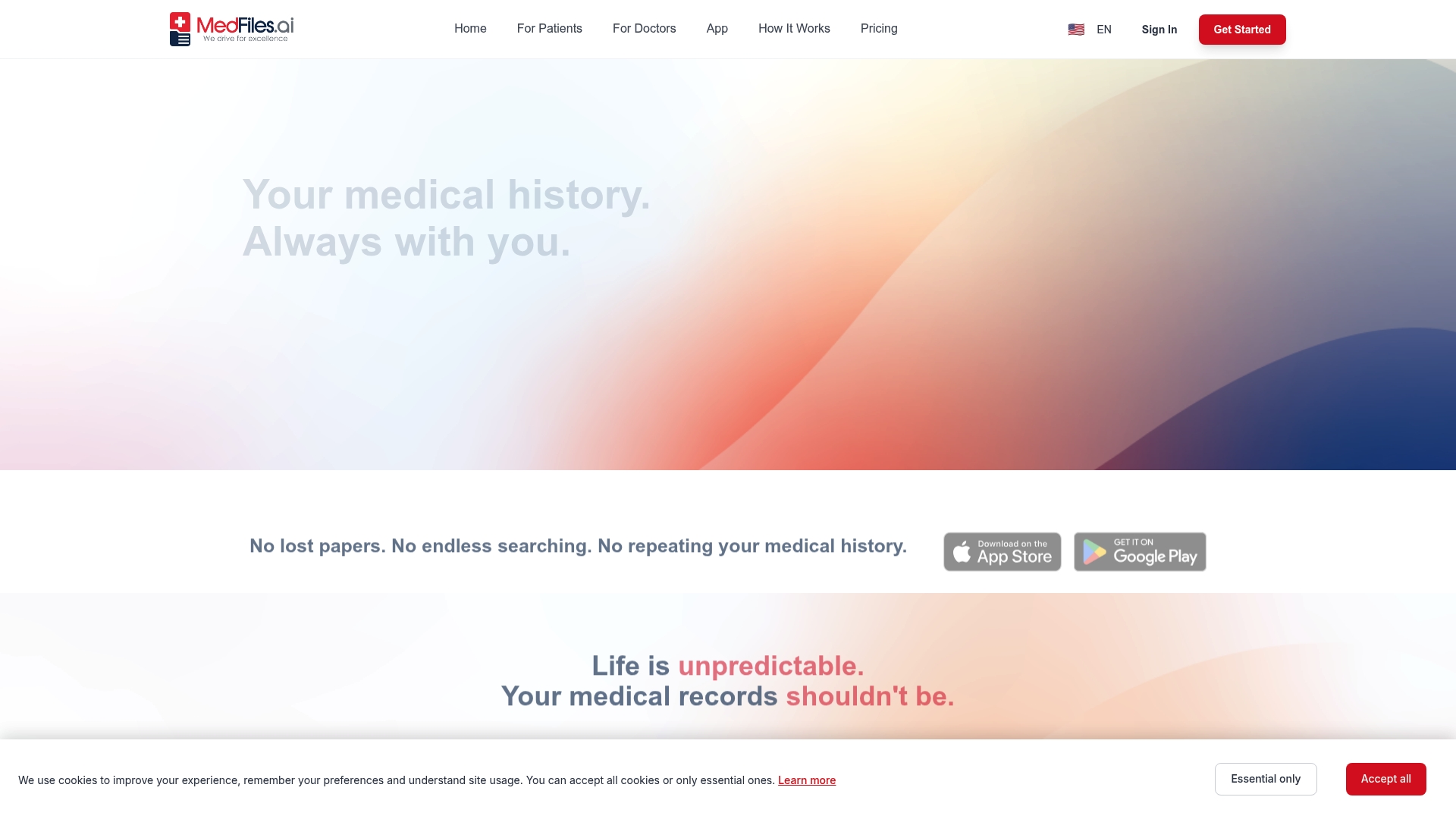
Take control of your health data today with MedFiles. Upload, organize, and share critical medical documents instantly without worrying about privacy breaches or scattered files. Start using MedFiles now to have your medical history ready at your fingertips before appointments or emergencies.
Frequently Asked Questions
How does Medfiles help manage multiple medical records for family members?
Medfiles offers multi profile management for families, allowing users to keep records organized for each family member or pet within a single account. This feature ensures that medical histories remain distinct, reducing the risk of confusion during appointments. Families can expect an efficient way to manage and retrieve individual health information without mixing records.
What is the difference between Medfiles and DrOwl regarding patient education?
DrOwl provides personalized explanations of medical documents, making complex clinical information understandable for patients. In contrast, Medfiles excels at automatic organization and secure sharing of medical records, making it ideal for individuals needing comprehensive record management. Choose DrOwl for clarity on specific medical terms, while Medfiles is better for organizing and sharing multiple records.
Which platform is better for quick sharing of medical documents, Medfiles or MyChart?
Medfiles allows secure sharing of specific medical records to healthcare providers or family members without needing to send files via email, streamlining the process. MyChart features secure messaging for communication but may require navigating multiple portals for different records. Opt for Medfiles if quick, targeted sharing is your priority.
Can I use Medfiles if my healthcare provider does not support EHR integration?
Yes, you can still use Medfiles to manage your medical records as it allows manual uploads and organization of documents without requiring EHR integration. This means you can maintain your records independently, even if your provider has limitations with electronic systems. Expect a more hands-on approach to managing your health information in such cases.
How much does it cost to use Medfiles for personal medical records management?
Medfiles offers a free tier for basic uploads, with paid plans starting at $1.99 per month for individuals. This pricing structure makes it accessible for many users looking to manage their health records securely and conveniently. Be aware that active users may need to upgrade for additional features and storage as their needs grow.